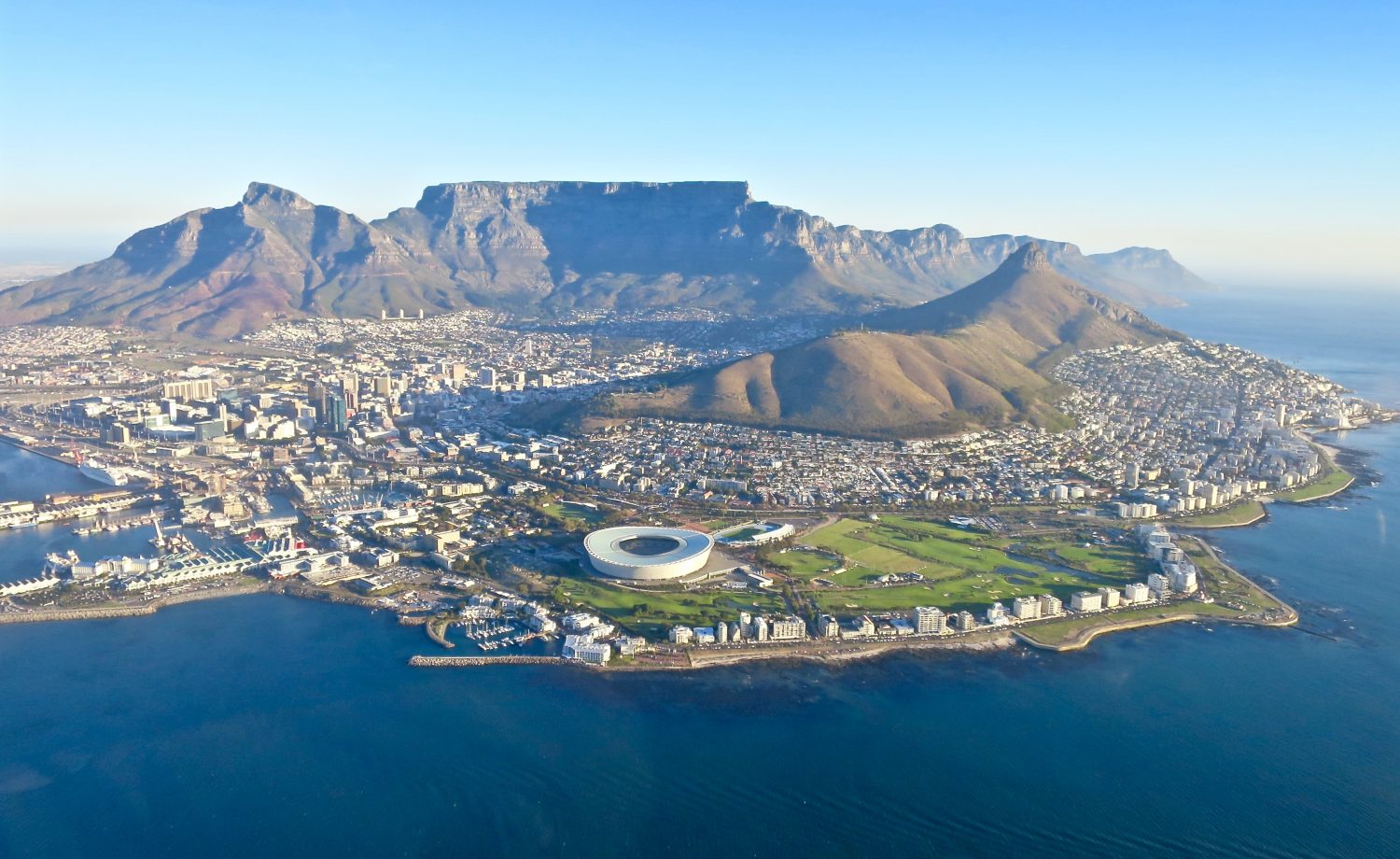
27 April 2026 · Ian Kerr
Nine Days That Show You Cape Town Properly
I've been to Cape Town more times than I can sensibly count. Cricket has taken me there for over 17 years — Newlands Tests, ODIs at the Wanderers and back to the Cape, the Boxing Day fixture that lures English fans every other tour cycle. And every single time I've gone, the cricket has been the headline but the Cape has been the lead.
What follows is the result of those visits. The sightseeing experiences I keep coming back to, the ones I quietly recommend to anyone who asks, and the ones that genuinely belong on the same shortlist as the great travel days anywhere in the world. There are nine of them on the Follow On Tours Cape Town page, and the order below is the order I'd run them in if you handed me a week and said "make it count."
You don't go to Cape Town for the cricket. You go for the cricket and stay for the Cape.
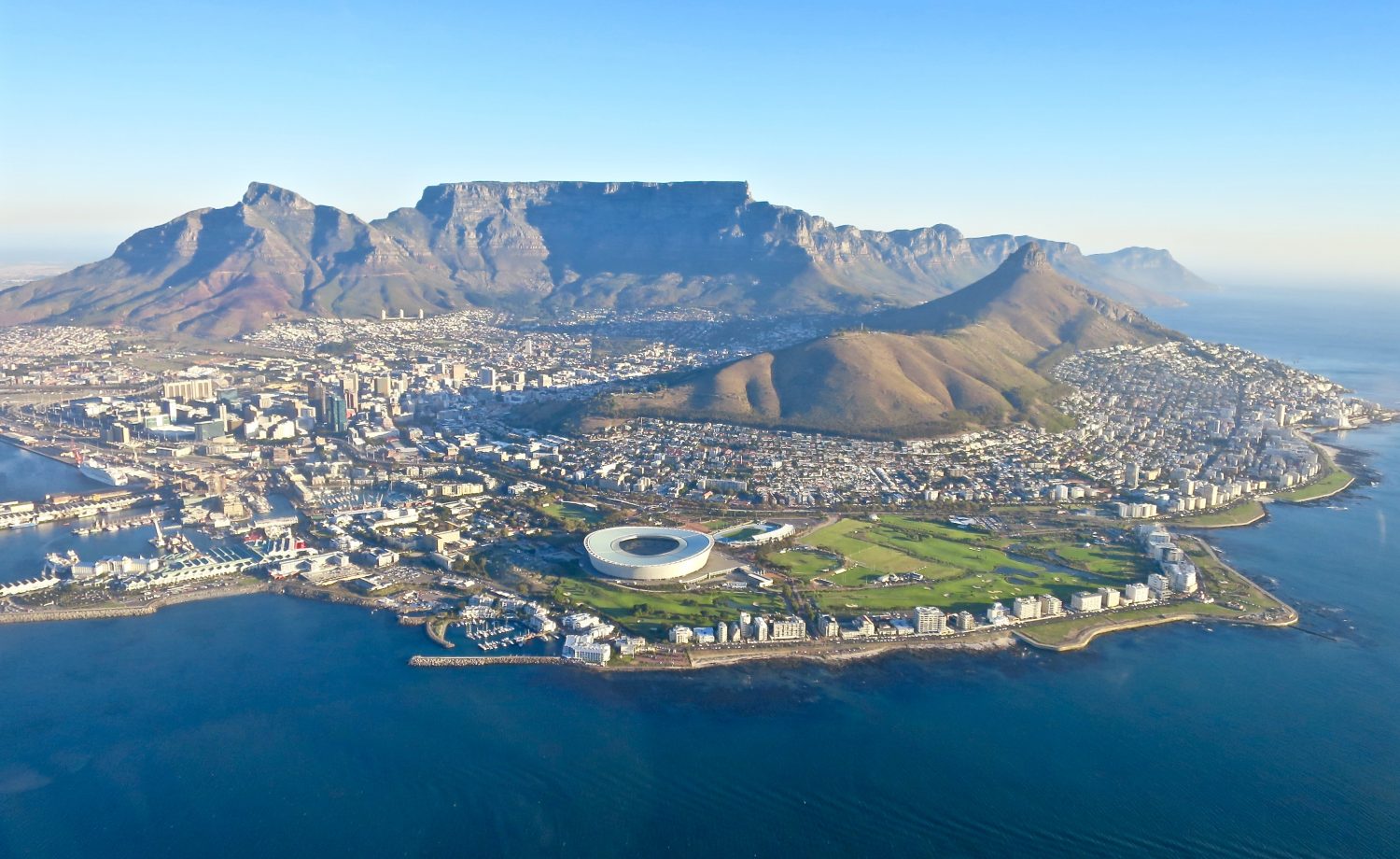
1. Cape Town City Tour — the orientation day
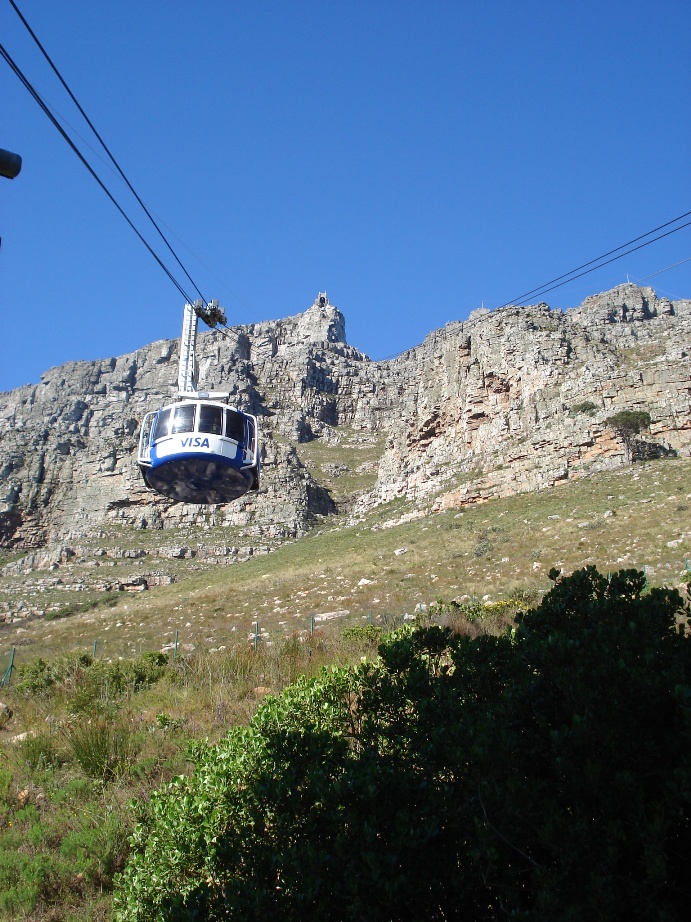
Start here. Even if you're a returner. The City Tour is the day that gives the rest of the week its scaffolding — Table Mountain by cableway, the colour-saturated streets of Bo-Kaap, Signal Hill, the Atlantic seaboard via Camps Bay, the V&A Waterfront. You can stack add-ons — Robben Island ferry, the Desmond Tutu Centre, Kirstenbosch Botanical Gardens — but the spine of the day is the same: get up high, look around, then walk through the neighbourhoods that make the city feel like nowhere else on the continent.
The mistake people make is treating this as a duty day to be ticked off. It isn't. The light on Table Mountain at the start of a clear summer morning, the panorama from Signal Hill, the half-hour you spend wandering Bo-Kaap with a Tour Guide who can actually tell you something about the Cape Malay community — these are not warm-up acts. They are the day, and the rest of the week makes more sense because of them.
2. Cape Point & The Peninsula — the dramatic one
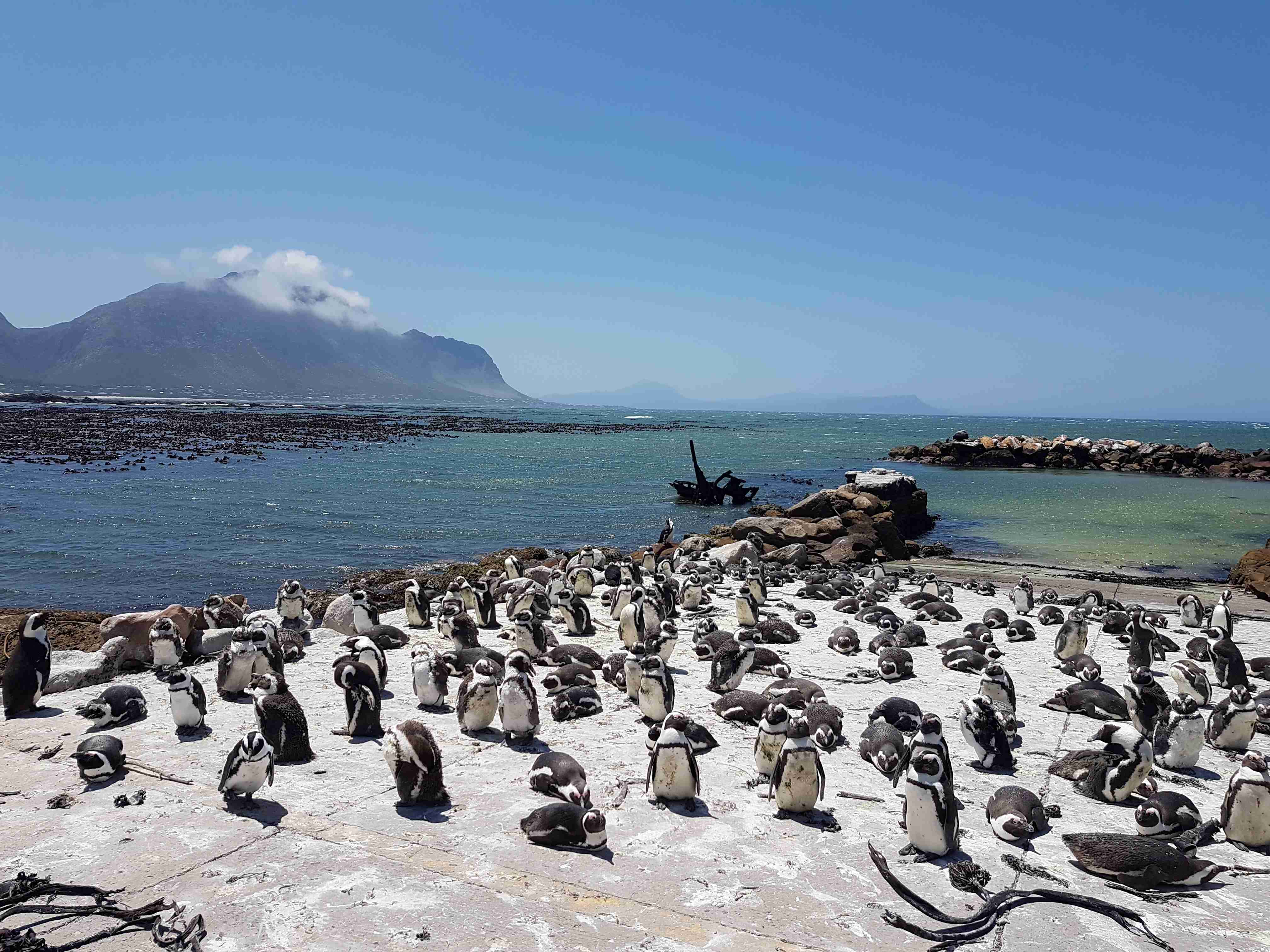
South down the False Bay coast through Simon's Town to Boulders Beach and its African penguin colony. Then on to Cape Point lighthouse — the south-western tip of Africa — by trail walk or funicular. Lunch at Two Oceans restaurant overlooking the cape, then the return leg up the Atlantic side via Chapman's Peak Drive and Noordhoek.
A quick fact-check, because everyone gets it wrong, including a fair few South Africans: Cape Point is not where the Atlantic and Indian Oceans meet. That's Cape Agulhas, 150 miles east. Cape Point is the south-western tip of Africa, and it's an honest description that loses nothing in the translation. The drama is in the cliffs, the wind, the sense that you're standing at the edge of something.
Chapman's Peak Drive — the road home — is regularly named one of the most scenic drives on earth. After a day of penguins and lighthouses, that's a closing chapter that earns the billing.
3. Stellenbosch Winelands — the civilised one
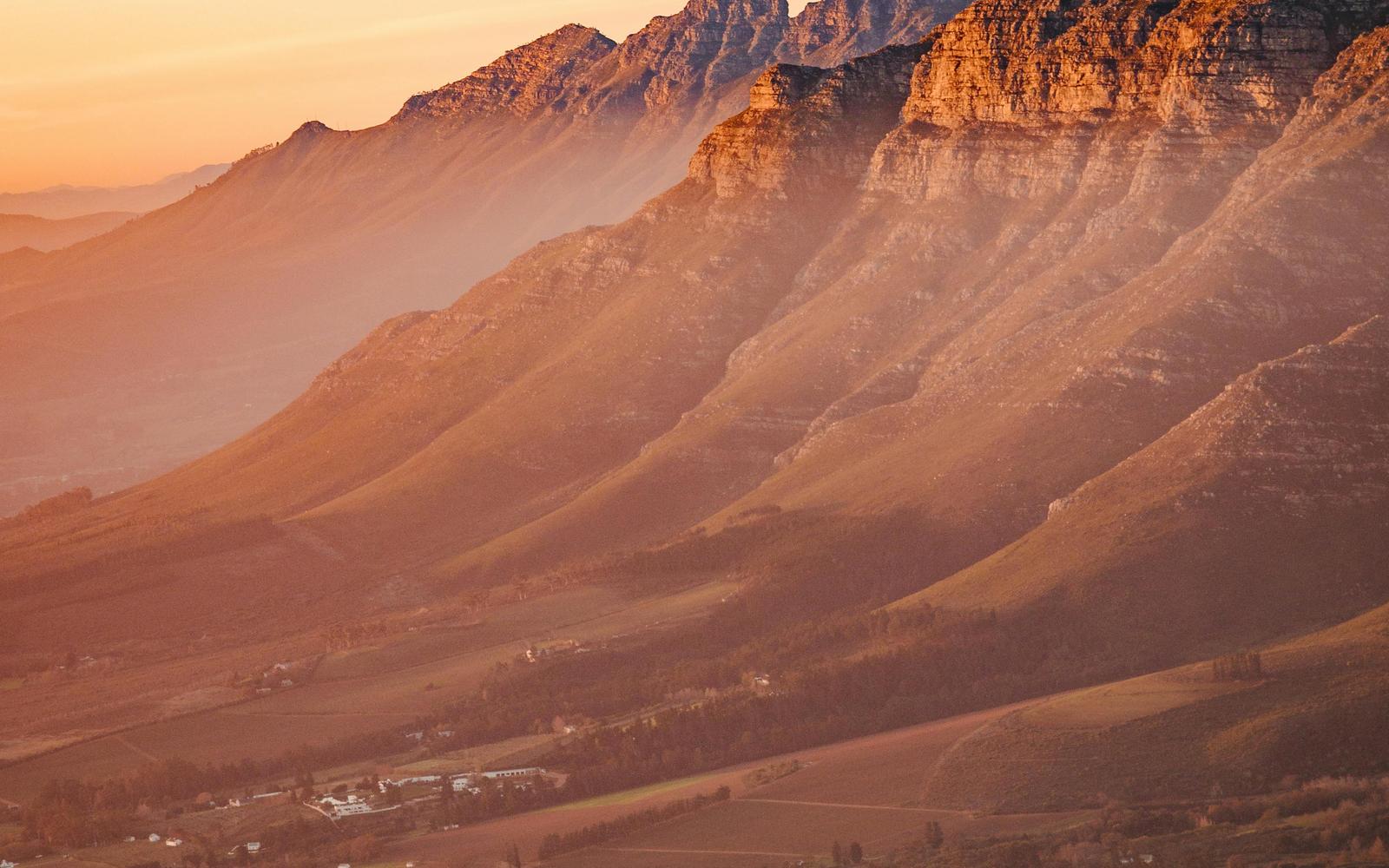
The South African wine industry traces its roots to 1659, when Jan van Riebeeck — the first Commander of the Cape — pressed the colony's first Muscadel. That's older than most things in most other places. By the time you're three or four estates deep — a Pinotage here, a Chenin Blanc there, a serious Cabernet at the lunch winery — you understand why the world has been quietly catching on.
Pinotage is South Africa's own grape — a cross between Pinot Noir and Cinsault, first cultivated in the Cape and found nowhere else with the same character. The Cape Blends — the South African answer to Bordeaux — are genuinely world-class, built around a mandatory proportion of Pinotage and blended with Bordeaux-style varieties like Cabernet Sauvignon, Merlot, Cabernet Franc, and Shiraz. You can taste five of them for less than the price of a single Bordeaux pour back home.
Stellenbosch is the prettiest of the wine towns, and it's the one where the lunch matters as much as the tasting. Find a winery with a working kitchen, a view, and a list that makes you want to come back. The day will write itself.
4. Hermanus & Clarence Drive — the coast road day
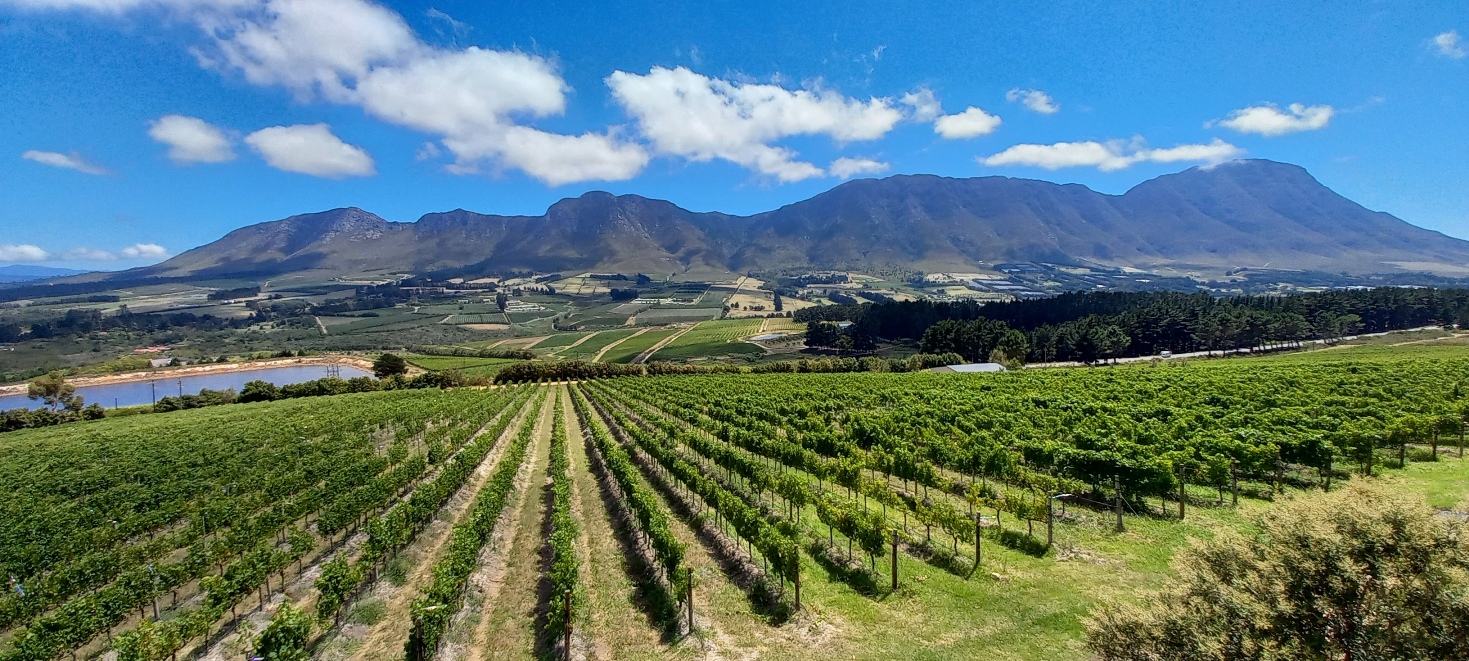
Clarence Drive is, on a good day, one of the great coastal roads on earth. The view changes every two minutes, the corners are honest, and the journey itself is half the point. Stop at Betty's Bay's African penguin colony at Stony Point — quieter than Boulders, more atmospheric. In Hermanus, walk the cliff path, browse the galleries, take the optional 7km guided coastal hike if your group has the legs for it.
Late lunch and tastings at a local winery before the run back to Cape Town. By the time you're heading west into the afternoon light, you'll have done the Cape's coast properly — not from a tour bus, but from a drive that locals would be proud to take you on themselves.
5. Shark Cage Diving — the bucket-list one
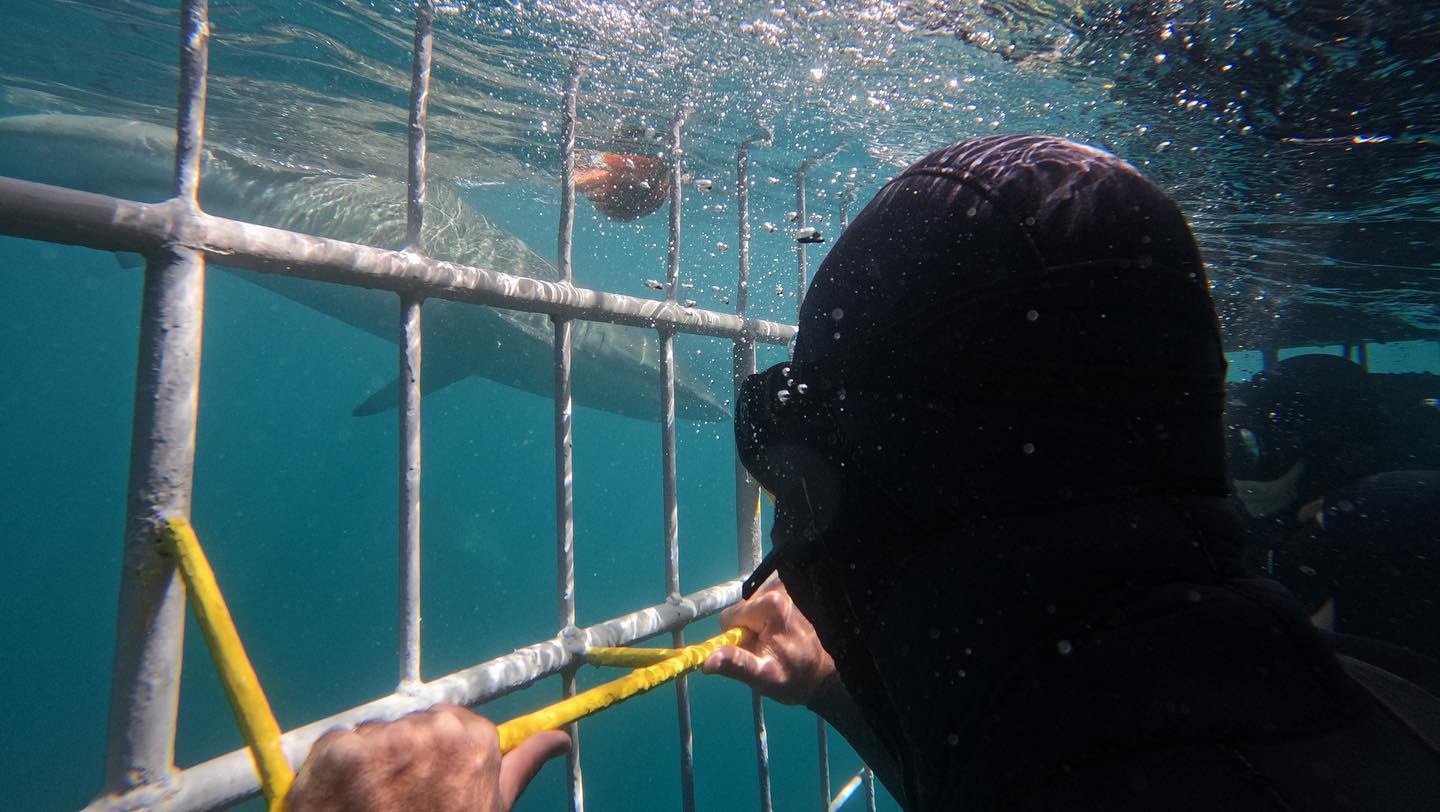
Quick truth-telling note. The Great Whites of Gansbaai legend are now exceptionally rare in these waters — the local population has been displaced, possibly by Orcas, possibly by changes in the seal patterns. What you see now, reliably, are Copper Sharks. They are no smaller. Three metres long, moving in groups of five, ten, twenty, alongside Cape fur seals, penguins, sting rays and ocean sunfish. It is not a lesser experience. It is a different one, and it is just as memorable.
Two and a half hours from Cape Town to Kleinbaai, three to four hours on the boat, 5am departure from your hotel. Morning seas are calmer, afternoons get wild. Not for the faint-hearted. But if you've come this far and you're not allergic to a long day on the water, this is the experience that ten years from now your friends will still ask you about.
6. Big Game Safari — the closest serious safari to the city
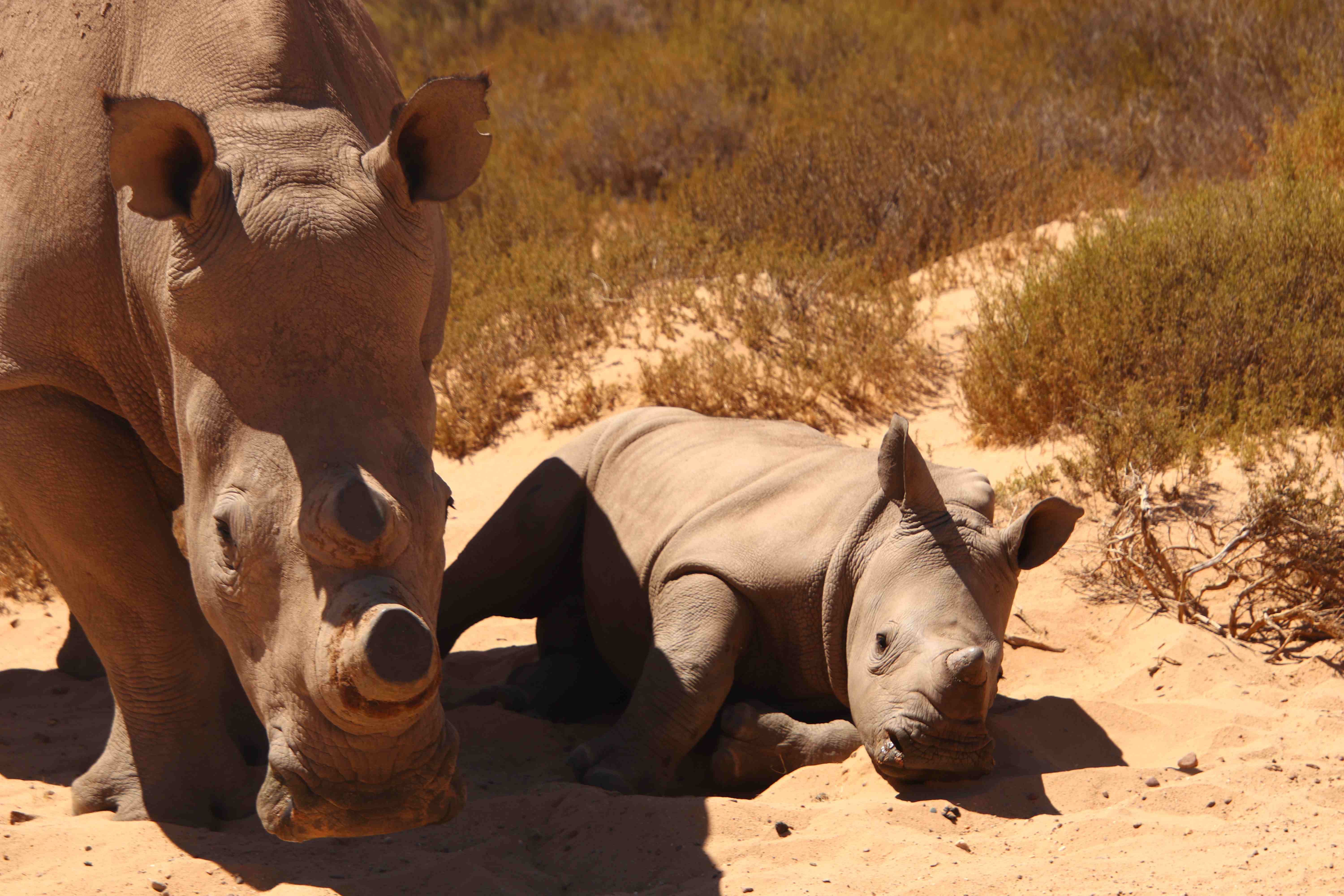
A note on naming. The traditional "Big Five" is elephant, rhino, lion, Cape buffalo, and leopard. At the reserves within day-trip range of Cape Town, leopards are not reliably viewable — they're there, but elusive in a way that doesn't fit a single-day promise. So this is a Big Game Safari, not a Big Five one. Four of Africa's most charismatic species in their natural setting, with a qualified Game Ranger and an open Safari Jeep, two and a half hours from the city.
It is the closest serious game experience to Cape Town, and it's the right answer if your itinerary doesn't otherwise touch Kruger or the eastern reserves. A proper safari, not a petting park. The reserve is free-roam — you're looking for animals, not at them. When you find them, the photographs look like the photographs you grew up wanting to take.
7. Humpback Whale Watching — the marine spectacle
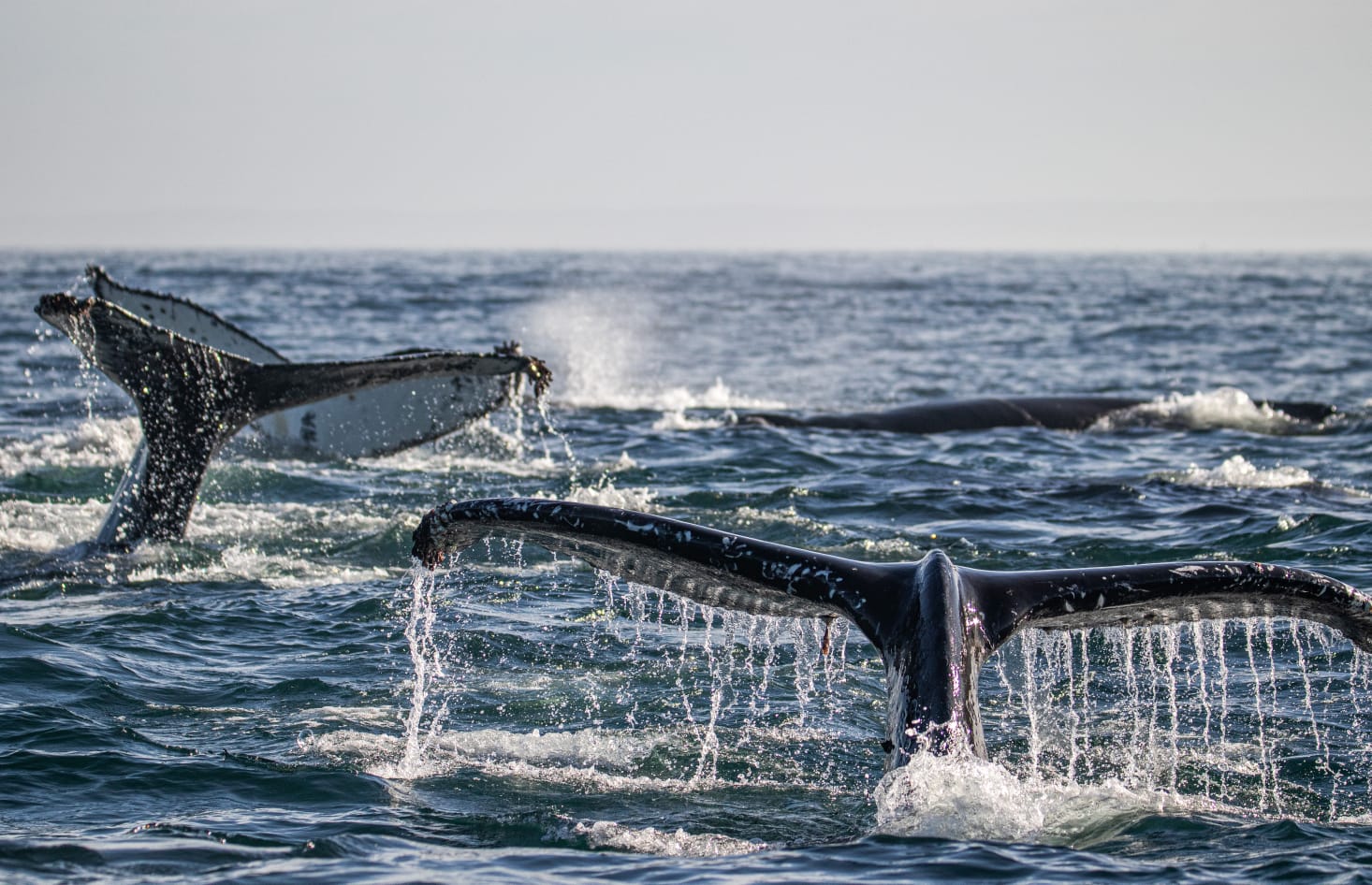
An hour north of Cape Town, Yzerfontein sits on one of the most extraordinary wildlife stages in Southern Africa. Between November and April, Humpback whales gather in feeding "supergroups" — sometimes a handful of animals, sometimes more than a hundred — drawn in by concentrated bait fish off the West Coast. Boat trips run four to six hours.
Sightings depend on the season and the conditions, and any operator who promises otherwise is selling you a story. But when the supergroups are in, this is one of the most extraordinary marine spectacles on the planet. Most cricket tours line up with the Newlands Test in January — right in the middle of the supergroup window.
8. Helicopter Scenic Flight — the geography lesson
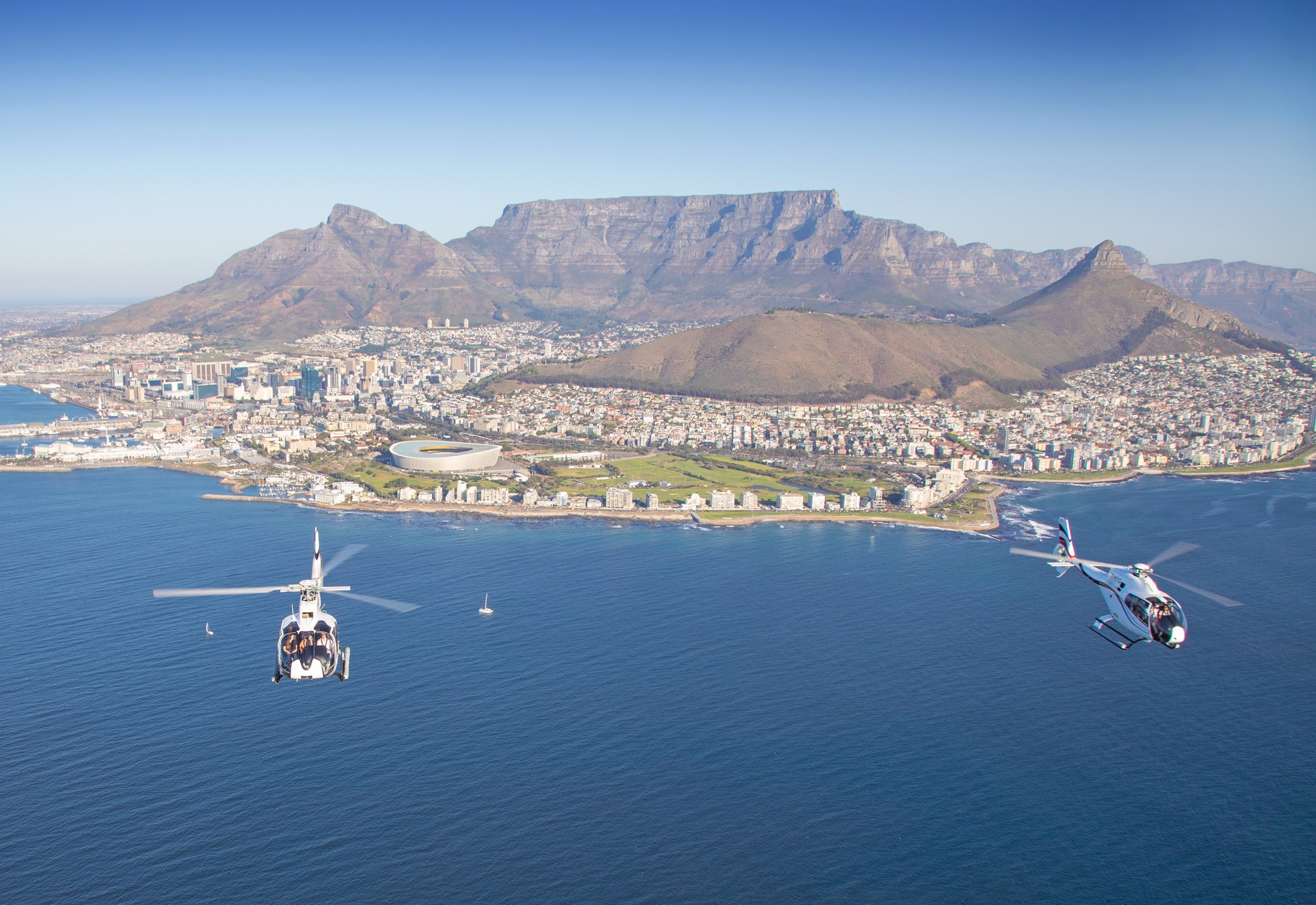
Table Mountain. The Twelve Apostles. Camps Bay. The Atlantic seaboard. Cape Point. The flight options run from a fifteen-minute city orbit to a full hour-long peninsula loop, and the longer ones are worth every rand.
What this trip really gives you is the geography lesson. After a week on the ground — driving Chapman's Peak, walking the Hermanus cliff path, looking up at Table Mountain from a thousand different angles — fifteen minutes in the air will reorient your whole understanding of where you've been. You see the city as a peninsula. You see the way the mountain shapes the weather. You understand why the wineries are where the wineries are. It's an outstanding half-day add-on.
Helicopters can also fly direct from Cape Town to Hermanus or Kleinbaai for the shark and eco-marine boat trips — a spectacular way to combine two experiences in a single day.
9. Marine Big 5 — the one most travellers miss
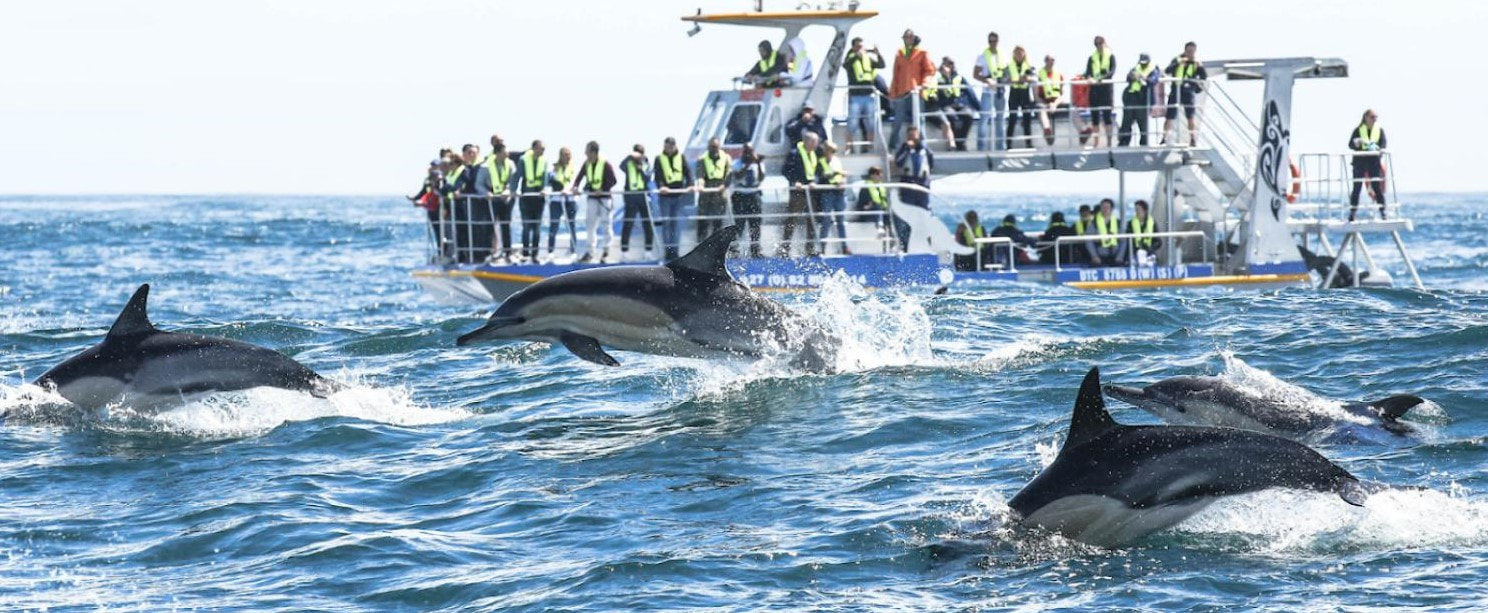
Two and a half to three hours from Cape Town, Kleinbaai sits at the edge of one of the world's most active marine zones — the channel between the South African mainland and Dyer Island, home to a Cape fur seal colony 60,000 strong. The day on the water puts the Marine Big 5 within reach: whales, dolphins, Cape fur seals, sharks, and the endangered African penguin.
The same harbour serves the Shark Cage Diving boats, so the two trips coordinate naturally if you want to spend more than one day on the water. It's a different kind of ocean experience to the Humpback supergroups further north — narrower, more concentrated, and reliably rich with wildlife throughout the Newlands Test window.
Most travellers don't know about it. They will, in a couple of years.
Putting it all together
Nine days, nine experiences. Most cricket tours don't allow that much time and you'll need to choose. If I had four days, I'd run City Tour, Cape Point, Stellenbosch, and one of the marine experiences — either Shark Cage or Marine Big 5, depending on your appetite for early starts. With six, I'd add Hermanus and the helicopter. With nine, I'd run the lot, and I'd find a tenth I haven't put on the page yet — there always is one.
Whatever you choose, choose with intent. Cape Town rewards travellers who show up with a plan and the patience to let it breathe. The cricket will be there. The mountain will be there. The wine, the whales, the sharks, the rhino — all there, all genuinely worth the journey.
Just don't come for a long weekend. The Cape deserves more than that, and so do you.
Plan your Cape Town sightseeing days →
Bespoke. Global. Intelligent. Personal.
More on South Africa: our South Africa travel guide